|
Getting your Trinity Audio player ready...
|
The Park Eun-bin Woo Young-woo comment controversy proves how one short comment can open a much larger discussion about respect, representation, and responsibility in popular culture.
What began as a low-key Instagram Live session soon blew up, becoming a really popular thing in Korean online circles.So, what really happened was, actress Park Eun-bin and baseball player Lee Joo-hyung were part of this whole thing. But pretty quickly, everyone started talking about something else entirely: how film and TV show people with disabilities.
This article really digs into what went down, explaining why everyone got so worked up, and why Park Eun-bin’s quiet response, not some flashy screenshot, actually meant the most.
What’s up with Park Eun-bin’s live broadcast?
On February 4, 2026, Park Eun-bin went live on her own social media.Just like with lots of celebrities, this get-together was mostly about fans chatting with them, instead of pushing new stuff or making big announcements.
During the broadcast, a comment appeared from an account identified as belonging to Lee Joo-hyung, a player for the Kiwoom Heroes professional baseball team. The comment read:
“Please speak in a Woo Young-woo tone.”
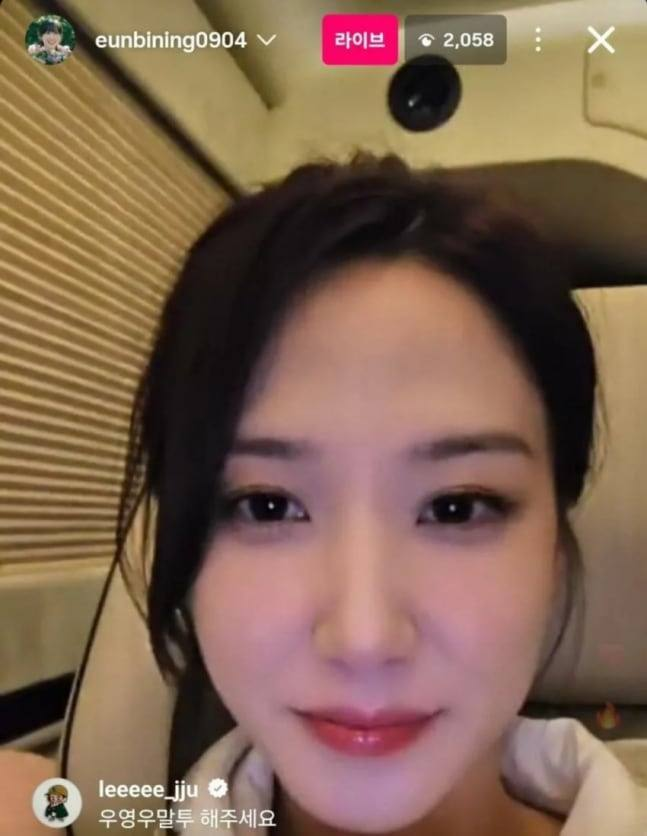
At first glance, the line looked harmless. Park Eun-bin gained massive popularity for her role as Woo Young-woo in the ENA drama Extraordinary Attorney Woo. Fans still associate her strongly with the character.
Park Eun-bin did not respond to the comment during the live session. The moment passed quietly — until screenshots of the comment began circulating online.
Why Did the Comment Become Controversial?
The controversy did not stem from the drama itself but from what Woo Young-woo represents.
Woo Young-woo is a character written as a lawyer on the autism spectrum. The way she talks, moves, and even thinks really makes her who she is as a character.
Asking Park Eun-bin to “speak like Woo Young-woo” was a bit problematic. It worried some folks because it seemed to treat her character’s traits as entertainment, instead of showing real representation.
A lot of people thought the comment completely missed the point about the ethical lines Park Eun-bin had been bringing up again and again since the show started.
Park Eun-bin’s Clear Stance on Woo Young-woo Imitation
This is where context matters.
In multiple interviews following the success of Extraordinary Attorney Woo, Park Eun-bin addressed the issue of imitation very directly.
She stated that she felt a strong ethical responsibility as an actor. She explained that she deliberately avoided observing real-life autistic individuals to copy their behavior. Her reasoning was simple and firm: doing so could reduce real people’s lived experiences to performance tools.
Park Eun-bin also asked fans to avoid parodying Woo Young-woo’s speech or mannerisms. She acknowledged the love for the character but warned that imitation — even when well-intentioned — could hurt people on the autism spectrum.
Because of this history, many netizens viewed the comment as crossing a line rather than making a playful request.
Public Reaction: Why Netizens Spoke Up
Once the screenshot was out there, people online reacted super fast.
Many people online thought the comment was out of line. It wasn’t meant to be mean, but it was thoughtless.They said public figures really need to be more aware, especially when their actions involve things connected to real-world issues.
A few people mentioned how professional Park Eun-bin is, which was nice to hear.Some people pointed out that it’s super easy to accidentally make stereotypes worse, especially when disability in the media just feels like a cheap trick.
It’s interesting that the criticism mostly stuck to the issues. Most folks talking about it focused on what it all meant, instead of going after Lee Joo-hyung himself.
Keeping that difference in mind helped keep the chat real, stopping it from blowing up into a huge celebrity mess.
Kiwoom Heroes’ Response and Clarification
Once all the talk really picked up, the Kiwoom Heroes put out a statement to clear things up.
The team went on to say:
- Lee Joo-hyung didn’t mean any harm with that comment.
- He got it, realized his goof, and fixed it.
- The idea was to calm things down, not make them worse.The team didn’t get defensive at all, and they made sure not to brush off what people were worried about.
This is how these kinds of disputes usually go now: people say what happened, clear things up, and take responsibility, instead of just fighting about it.
Why Park Eun-bin’s Silence Was Powerful
Interestingly, Park Eun-bin did not issue a statement about the controversy.
Her silence was not avoidance. It reflected consistency.
She had already made her position clear in past interviews. Repeating herself would not have added value. By choosing not to react publicly, she avoided turning the issue into a personal dispute.
That decision reinforced her reputation as an actor who treats sensitive roles with long-term responsibility rather than momentary public relations.
Sometimes, restraint speaks louder than any apology tour.
The Bigger Picture: Autism Representation in Korean Dramas
The Park Eun-bin Woo Young-woo comment controversy touches on a wider issue: how disability representation evolves once a show becomes a cultural phenomenon.
Extraordinary Attorney Woo received praise for introducing autism to mainstream audiences in South Korea and internationally. At the same time, success brought risks.
When characters become iconic, audiences often separate traits from context. Speech patterns turn into catchphrases. Behavioral nuances become memes.
Experts and advocacy groups frequently warn that this shift can unintentionally flatten real experiences into stereotypes.
Park Eun-bin’s approach stood out because she anticipated that risk early and addressed it head-on.
Why Intent Isn’t the Only Factor
People often argued about what someone meant when they did something that caused trouble.
A lot of folks who backed Lee Joo-hyung said he didn’t mean to cause any trouble.Yeah, that could be right.Lately, when people talk about disability, they’re really looking at the impact something has, not so much what someone meant to do.
Someone could say something without meaning to be hurtful, but it could still make you feel bad.A joke can seem okay to someone but really hurt someone else.
“This whole thing just showed that being aware trumps explaining things, particularly when a lot of people are watching.”
Social Media and the Screenshot Effect
It was also important to note just how fast the issue got around.
Park Eun-bin didn’t show any reaction during the live broadcast; you couldn’t see anything.The whole mess started when those screenshots popped up online.
This is just how things are in our digital world.Screenshots often leave out important details like what happened before and after, when it happened, and the mood of the conversation.They capture feelings that were never meant to be preserved.
These days, if you’re a public figure, anything you say, even just a quick thought, can stick around forever.
That’s how things are, and it means everyone online, from famous people to their followers, has an added responsibility.
Why This Was Not a “Cancel Culture” Moment
Despite heated discussions, the situation did not escalate into calls for boycotts or career consequences.
That outcome matters.
The conversation stayed focused on education rather than punishment. People discussed why the comment felt wrong instead of demanding retribution.
In many ways, this response showed growth in how audiences handle sensitive topics. The goal shifted from blame to understanding.
What the Controversy Teaches Us
The Park Eun-bin Woo Young-woo comment controversy offers several takeaways:
- Representation carries responsibility beyond screen time.
- Popular characters tied to real-world conditions require ongoing care.
- Silence can be a thoughtful choice, not avoidance.
- Accountability does not always require public apologies.
- Awareness evolves through conversation, not conflict.
These lessons extend beyond one actress or one comment. They apply to how media, fandoms, and public figures interact in a global digital space.
Trusted Sources and Reporting
This article relies on reporting from established Korean entertainment media, including Xports News, and on Park Eun-bin’s documented interview statements regarding Extraordinary Attorney Woo. No speculative claims or unverified information have been included.
All facts discussed here reflect publicly reported events and direct statements from involved parties.
Final Thoughts
At its core, this was never about a single sentence typed during a live broadcast.
It was about how society handles success, sensitivity, and representation once the spotlight grows brighter. Park Eun-bin’s career continues to reflect thoughtful choices, and this incident reinforced why many viewers trust her approach.
The controversy faded quickly, but the conversation it sparked remains relevant — especially as Korean dramas continue reaching global audiences.
And that may be the most meaningful outcome of all.