|
Getting your Trinity Audio player ready...
|
When Kwon Sang-woo talks about acting, he doesn’t give the impression of a person who is after the latest trends or headlines. Rather, he comes across as an experienced artist who knows how to master the three main factors of the art of acting– timing, balance, and responsibility– both on and off the set. His recent interview for the soon-to-be-released film Heartman is a perfect example of this.
The Kwon Sang-woo Heartman interview became a topic of discussion right away, not due to any controversial issues, but rather due to the fact that he talked so openly about love, marriage, and professionalism. In a profession where love scenes are sometimes accompanied by unnecessary tensions and complications, Kwon Sang-woo opted for truthfulness, wit, and transparency.
This article outlines his statements, the significance thereof, and the place of Heartman in his advancing career –all without exaggeration, conjecture, or noise.
What Is Heartman About?
Heartman is a Korean comedy film directed by Choi Won-seop and distributed by Lotte Entertainment, one of South Korea’s most established film distributors. The movie follows Seung-min, a man who once dreamed of becoming a musician but now runs a musical instrument shop while raising his child alone.
Seung-min’s carefully balanced life changes when his first love, Bona, reappears. Old emotions resurface, and unresolved feelings push him into emotional chaos. Beneath the humor, the film explores regret, second chances, and emotional honesty.
According to official production details shared with Korean media outlets like CHOSUN, the film blends comedy with grounded romance rather than exaggerated melodrama.
Kwon Sang-woo as Seung-min: A Role Built on Experience
In Heartman, Kwon Sang-woo plays a character that mirrors real life more than fantasy. Seung-min isn’t a flawless hero. He’s a man shaped by missed opportunities and quiet responsibility.
During the interview, Kwon Sang-woo explained that portraying Seung-min required emotional restraint, not dramatic excess. He moved between timelines–from a passionate rock vocalist in his twenties to a reserved single father in his forties.
That range allowed him to show growth rather than transformation. Instead of “acting younger,” he focused on emotional memory. That choice gives the character credibility and avoids overacting.
The Reunion with Director Choi Won-seop
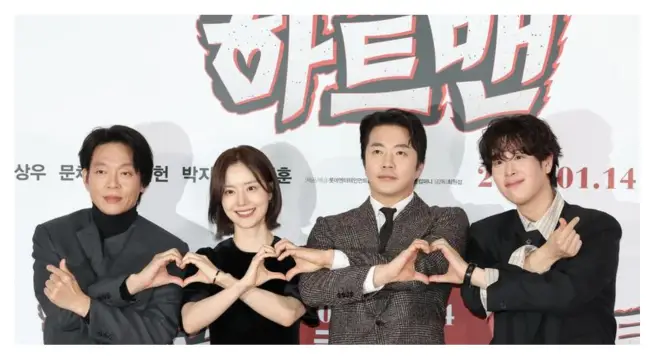
Heartman marks another collaboration between Kwon Sang-woo and director Choi Won-seop. Their previous work together on the Hitman franchise delivered strong box office results, with both films crossing the two-million viewer mark in South Korea.
This reunion matters because both men understand each other’s rhythm. Choi Won-seop specializes in situational comedy, while Kwon Sang-woo knows how to balance humor with sincerity.
In the interview, Kwon Sang-woo credited this trust for making Heartman smoother to film. He didn’t need to overthink tone. The director already understood where comedy should stop and emotion should begin.
Working with Moon Chae-won: Chemistry Without Noise
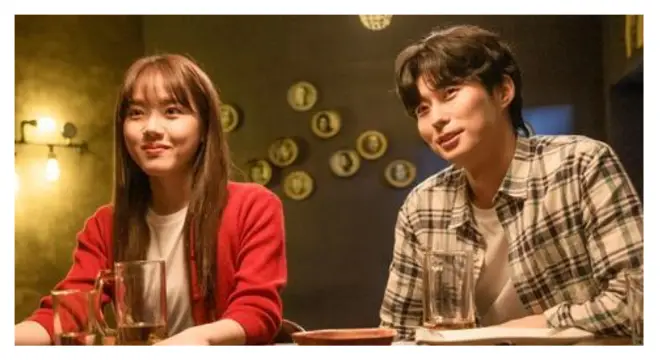
Moon Chae-won plays Bona, Seung-min’s first love. Her casting immediately raised expectations, as she is known for emotionally grounded performances rather than flashy romance.
In the Kwon Sang-woo Heartman interview, he spoke openly about their on-screen chemistry. He explained that Moon Chae-won approached the role with focus and comfort, which helped create natural interactions.
Rather than relying on dramatic gestures, both actors built chemistry through small moments. That decision aligns with the film’s theme: love that feels remembered rather than performed.
Why the Kissing Scenes Became a Talking Point
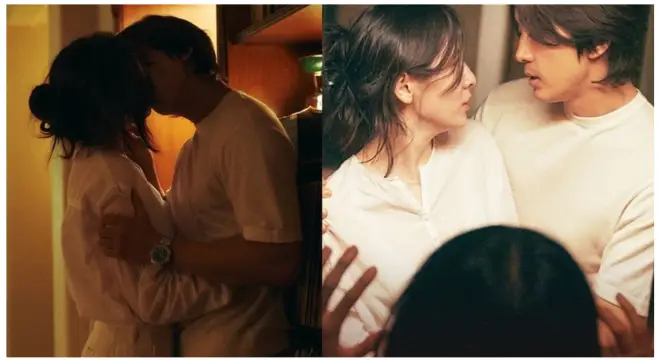
One of the most discussed parts of the interview involved the film’s kissing scenes. Kwon Sang-woo revealed that Heartman includes more kissing scenes than any other project in his career.
Instead of sensationalizing this, he addressed it practically.
He explained that male actors often feel more pressure during such scenes because they are expected to lead them. He also shared that the director paid close attention to comfort and storytelling rather than shock value.
Importantly, he clarified that these scenes serve emotional progression. They exist to show unresolved feelings, not to create attention.
That explanation resonated because it treated romance as storytelling, not spectacle.
Son Tae-young, Marriage, and a Line That Made People Laugh
The interview’s most quoted moment came when Kwon Sang-woo joked about his wife, actress Son Tae-young.
When asked whether she dislikes his love scenes, he laughed and said he hadn’t shown her the scenes yet–and that he might get into trouble later.
The humor worked because it felt natural. He quickly followed it with a clear statement: work is work, and acting requires professionalism.
This balance matters. Kwon Sang-woo didn’t dismiss boundaries, nor did he dramatize them. He presented marriage as a space built on understanding, not control.
That honesty gave the interview warmth and relatability.
Why This Interview Feels Different from Typical Promotions
Many film interviews rely on rehearsed answers and safe talking points. The Kwon Sang-woo Heartman interview stood out because it avoided that pattern.
He didn’t frame romance as scandalous. He didn’t oversell the film. He spoke like someone comfortable with his career stage.
That tone reflects maturity, not indifference. He understands that audiences today respond better to sincerity than hype.
Comedy with Emotional Weight: What Heartman Tries to Do
While Heartman is marketed as a comedy, it doesn’t aim for constant laughter. According to production notes shared with the Korean press, the film focuses on emotional realism wrapped in humor.
The comedy comes from situations, not exaggerated characters. Seung-min’s confusion, hesitation, and awkwardness drive the humor.
This approach fits Kwon Sang-woo’s current filmography. He no longer plays characters who rely on physical comedy alone. Instead, he leans into timing and understatement.
Kwon Sang-woo’s Career Shift: From Action to Reflection
Over the years, Kwon Sang-woo built a reputation through action, comedy, and romance. However, Heartman represents a quieter phase.
In the interview, he admitted that he no longer chases genre dominance. He chooses roles that feel right for his age and experience.
That mindset aligns with a broader trend in Korean cinema, where stories about middle-aged characters receive more space and respect.
Rather than fighting time, Kwon Sang-woo works with it.
Audience Expectations Ahead of Release
Heartman is scheduled for release on January 14, positioning it as one of the first Korean comedy films of the year.
Audience expectations remain grounded. Viewers don’t expect spectacle. They expect sincerity, humor, and emotional clarity.
Based on early reactions to the interview, the film already connects with audiences who appreciate mature storytelling.
Why Heartman Matters in Today’s Korean Film Landscape
Korean cinema continues to evolve. While large-scale thrillers and high-concept dramas dominate international attention, films like Heartman quietly serve domestic audiences.
They tell stories about ordinary people navigating emotional complexity. That relevance gives them longevity.
The Kwon Sang-woo Heartman interview reinforces that intention. It frames the film as a human story first, not a marketing product.
Personal Take: A Refreshing Kind of Honesty
What makes this interview memorable isn’t the kissing scenes or the jokes. It’s the calm confidence behind every answer.
Kwon Sang-woo doesn’t try to appear flawless. He accepts discomfort as part of the job and trust as part of marriage.
That honesty feels rare — and welcome.
 Join Our WhatsApp Channel
Final Thoughts
The Kwon Sang-woo Heartman interview is not only a source of promotional soundbites but also a knowledge source about an actor who knows how to deal with growth, responsibility, and storytelling.
Heartman might have a funny character, but the core of the film is in the emotional truth. With a reliable director, a skilled partner, and a seasoned leading actor, the film is expected to radiate warmth instead of loudness.
Sometimes, that’s exactly what audiences need.