
|
Getting your Trinity Audio player ready...
|
The finale of “Moon River” arrived with high expectations – and surprisingly, it delivered. After seven weeks of political intrigue, body-swap chaos, slow-burn romance, and emotional trauma set in the Joseon era, the drama wrapped up its story in a way that felt earned, thoughtful, and emotionally complete.
Many historical fantasy dramas struggle at the finish line. Some rush endings. Others sacrifice logic for shock value. Moon River did neither. Instead, it focused on consequences, character growth, and emotional resolution — the three pillars of a strong finale.
This article breaks down why the Moon River finale worked, what made it satisfying, and how it avoided common K-drama ending mistakes – without exaggeration or fan-driven hype.
Spoiler warning: This article discusses major events from the final episode.
Key Takeaways from the Moon River Finale
- The finale focused on emotional resolution instead of shock value
- Character arcs ended logically and consistently
- Jangjeong’s storyline delivered justice without forced forgiveness
- The Left Minister’s ending balanced tragedy with accountability
- Lee Gang and Dal I’s relationship showed love through sacrifice, not words
- Yi Un and U Hui’s reunion felt earned, not rushed
- Strong performances elevated the emotional weight of the final episode
- The writing respected cause and effect, avoiding last-minute twists
Understanding the Core Theme of the Moon River Finale
At its heart, Moon River was never just about romance or fantasy. The drama explored:
- Power and responsibility
- The cost of revenge
- Identity and self-sacrifice
- Justice delayed – but not denied
The finale stayed true to these themes. It didn’t attempt to shock viewers with unnecessary twists. Instead, it closed character arcs logically, respecting the emotional investment viewers had made since episode one.
That alone made the ending stand out.
Jangjeong’s Justice: A Quiet but Powerful Victory
One of the most impactful moments in the Moon River finale involved Jangjeong, the deposed queen and mother of Yi Un.
Although she appeared briefly throughout the series, her presence shaped nearly every major conflict. The finale finally revealed the full truth behind her fall from grace.
Why This Resolution Worked
- The drama confirmed that Jangjeong was falsely accused of adultery
- The king’s betrayal became clear and undeniable
- Her suffering wasn’t romanticized or excused
Most importantly, Jangjeong did not forgive easily.
Her refusal to forgive Queen Dowager Han carried weight. It reinforced a crucial message: forgiveness is personal, not mandatory. Many dramas rush forgiveness for emotional convenience. Moon River resisted that temptation.
Her reunion with Yi Un felt earned, not dramatic for the sake of drama. The scene relied on silence, expressions, and restraint – a smart creative choice that elevated its emotional impact.
The Left Minister’s End: Tragic, Logical, and Necessary
The Left Minister remains one of Moon River’s most complex characters. He loved deeply. He suffered deeply. But he also crossed unforgivable lines.
The Moon River finale handled his ending with balance.
A Villain, Not a Victim
Yes, his grief explained his actions.
No, it did not justify them.
His crimes included:
- Orchestrating political murders
- Destroying innocent families
- Using his own daughter as a pawn
The drama made a clear moral distinction here. Pain explains behavior – it does not excuse it.
Why His Death Made Sense
The hairpin scene, where he clings to a gift meant for Jangjeong, added emotional depth. Still, the narrative never asked viewers to forgive him.
His death wasn’t cruel.
It wasn’t heroic.
It was inevitable.
That restraint made his ending feel honest rather than manipulative.
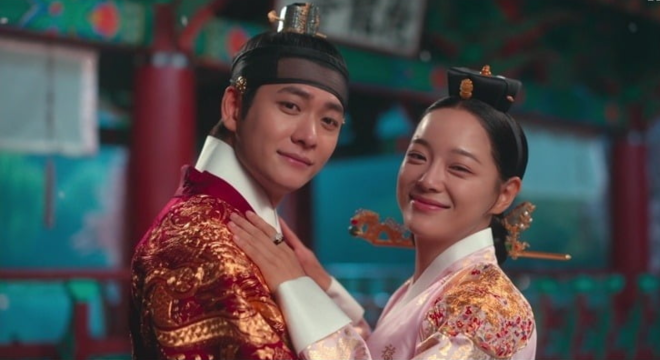
Lee Gang and Dal I: Love That Required Sacrifice, Not Just Words
Romantic endings often fail because they rely on declarations instead of actions. Moon River avoided that trap.
Lee Gang’s love for Dal I consistently showed through choices, not speeches.
The Body Swap: Risk Over Romance
In the finale:
- Dal I is kidnapped
- Lee Gang initiates a body swap
- He places himself directly in danger
This moment reinforced the drama’s logic. The body-swap concept didn’t exist for comedy alone. It served the story’s emotional stakes.
Fulfilling the Promise
Earlier in the series, Lee Gang promised Dal I:
- A peaceful life
- Stability
- Family
The finale delivered exactly that – without exaggeration or fantasy shortcuts.
Their ending felt domestic, warm, and grounded. That realism made it powerful.
Yi Un and U Hui: A Love That Respected Timing and Choice
Yi Un and U Hui’s relationship unfolded quietly but painfully. Their separation stemmed from politics, social punishment, and moral restraint – not misunderstandings.
Why Their Ending Felt Right
- U Hui refused to destroy Yi Un’s future
- Yi Un respected her choice, despite his pain
- The story allowed time to pass
When King Lee Gang abolished the law punishing families of traitors, the drama acknowledged institutional injustice – not just personal suffering.
Their reunion felt like relief, not reward.
That distinction matters.
Acting That Elevated the Finale
A well-written ending still needs strong performances. The Moon River finale benefited from exceptional acting, especially during emotionally restrained scenes.
Kim Se Jeong and Kang Tae Oh
Both actors handled:
- Emotional shifts
- Identity confusion
- Body-swap mannerisms
They avoided caricature. Their performances relied on subtle changes in posture, tone, and eye movement.
This attention to detail kept the fantasy element believable.
Supporting Cast Strength
Veteran actors like Nam Gi Ae and Jin Goo anchored the finale emotionally. Their controlled performances prevented melodrama from overpowering the story.
Writing Choices That Helped the Finale Succeed
The Moon River ending was successful due to intense writing.
What the Writers Did Right
- No rushed explanations
- No last-minute villains
- No surprise deaths for shock value
The finale observed cause and effect. Every significant occurrence had narrative roots earlier in the series.
This method of storytelling is what critics and viewers have been consistently praising in powerful K-drama endings.
Why the Moon River Finale Stands Out Among Historical K-Dramas
Political complexity is the main reason that many Joseon-era dramas have a hard time with their endings. However, Moon River managed to handle the situation rather than perishing.
It used up:
- Emotional resolution
- Moral clarity
- Character accountability
The harmony between these aspects is what made the end remarkable rather than over-the-top.
Viewer Reception and Critical Response
According to coverage from trusted K-drama platforms such as Soompi, MyDramaList, and Naver Entertainment, audience response to the Moon River finale was largely positive.
Common viewer reactions included:
- Satisfaction with character endings
- Praise for acting consistency
- Appreciation for logical storytelling
While no finale pleases everyone, Moon River avoided widespread backlash – a rare achievement.
Final Verdict: A Finale That Respected Its Audience
The final scenes of Moon River accomplished their objective as they relied on the audience. There were no explanations offered beyond what was necessary; no emotional manipulation used that was seen as cheap. The use of silence, restraint, and consequence in storytelling was allowed and became the leading factor.
- There were characters who did not attain happiness.
- There were also characters who did not completely recover from their wounds.
- The truthfulness of the ending made it all the more powerful.
While a lot of dramas today go after viral twists, Moon River kept narrative integrity and won the battle.
 Join Our WhatsApp Channel
My Personal Take on the Moon River Finale
Personally, the Moon River finale worked for me because it felt honest. The story did not chase shock value or dramatic twists just to leave an impression. Instead, it stayed consistent with the tone and rules it had established from the beginning. That kind of restraint is rare, especially in historical fantasy dramas.
Jangjeong’s resolution felt the most real. Her refusal to forgive easily reflected how closure works in real life, not how dramas usually portray it. Lee Gang and Dal I’s ending also stood out because their happiness was quiet and grounded rather than exaggerated. Their story ended in safety and stability, not spectacle.
Overall, Moon River may not be a flawless drama, but its finale respected the audience’s emotional investment. It chose logic and sincerity over forced excitement, and that choice made the ending memorable for the right reasons.